

By Angela Archer, MSN, RN
Nurses are consistently ranked among the most trusted professionals in the United States. Every day, nurses advocate for patients, families, and communities by promoting safety, coordinating care, providing education, and addressing barriers to health. Advocacy is deeply embedded within the nursing profession. Yet despite representing the largest segment of the healthcare workforce, nurses remain underrepresented in healthcare policy development and political decision-making processes (Vandenhouten et al., 2011). We have a big profession, but a little voice.
This disconnect raises an important question: Why do some nurses actively engage in policy and advocacy efforts while others do not? One possible explanation lies in the concept of political self-efficacy.
Political self-efficacy refers to an individual’s belief in their ability to understand, participate in, and influence political and policy processes (Niemi et al., 1991). This is the confidence that one’s voice can make a difference. Research has shown that individuals who believe they can influence decisions are more likely to participate in civic and political activities than those who feel disconnected from decision-making systems (Verba et al., 1995).
Most nurses may not understand that advocacy is a professional responsibility. The American Nurses Association identifies advocacy as a fundamental component of nursing practice and professional ethics (ANA, 2025). Yet understanding the importance of advocacy does not always translate into participation. Political self-efficacy helps explain the gap between recognizing the importance of advocacy and taking action.
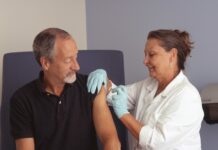
Advocacy begins at the bedside. When a nurse questions an unsafe order, coordinates resources for a vulnerable patient, speaks up about safety concerns, or ensures a patient’s needs are addressed, that nurse is advocating. The skills used to advocate for individual patients are the same skills needed to advocate for communities, healthcare systems, and public policy (Fyffe, 2009).
Political advocacy should not be viewed as separate from nursing practice. Rather, it represents an extension of the advocacy nurses already provide every day (Hall-Long, 2009). Community engagement further develops confidence and influence. Whether participating in health fairs, volunteering with community organizations, serving on nursing boards (such as the Oklahoma Nurses Association regions), or supporting public health initiatives, nurses contribute valuable expertise that helps shape our community’s and our profession’s well-being.
Advocacy exists on a continuum: Bedside Advocacy → Community Advocacy → Policy Advocacy. Political self-efficacy serves as a connection in these levels of advocacy. It transforms nursing expertise and experience into actions that are meaningful to our profession and community.
Healthcare systems continue to face workforce shortages, healthcare disparities, rising costs, and public health concerns. Nurses witness the effects of these challenges every day. Because nurses spend more time with patients than any other healthcare professional, we possess unique insights into how policies affect individuals, families, and communities. Policymakers need these perspectives.
My experiences as a member of the Oklahoma Nurses Association, an active participant in my ONA region, a nursing educator, and a doctoral student studying political self-efficacy have reinforced the importance of nursing engagement in policy discussions. We possess the expertise and credibility to influence healthcare decisions when we choose to participate.
Political self-efficacy reminds us that advocacy begins with believing our contributions matter. Every nurse has the capacity to influence change—whether at the bedside, within the community, or in the policy arena. It is time for nursing to move from voice to action.