
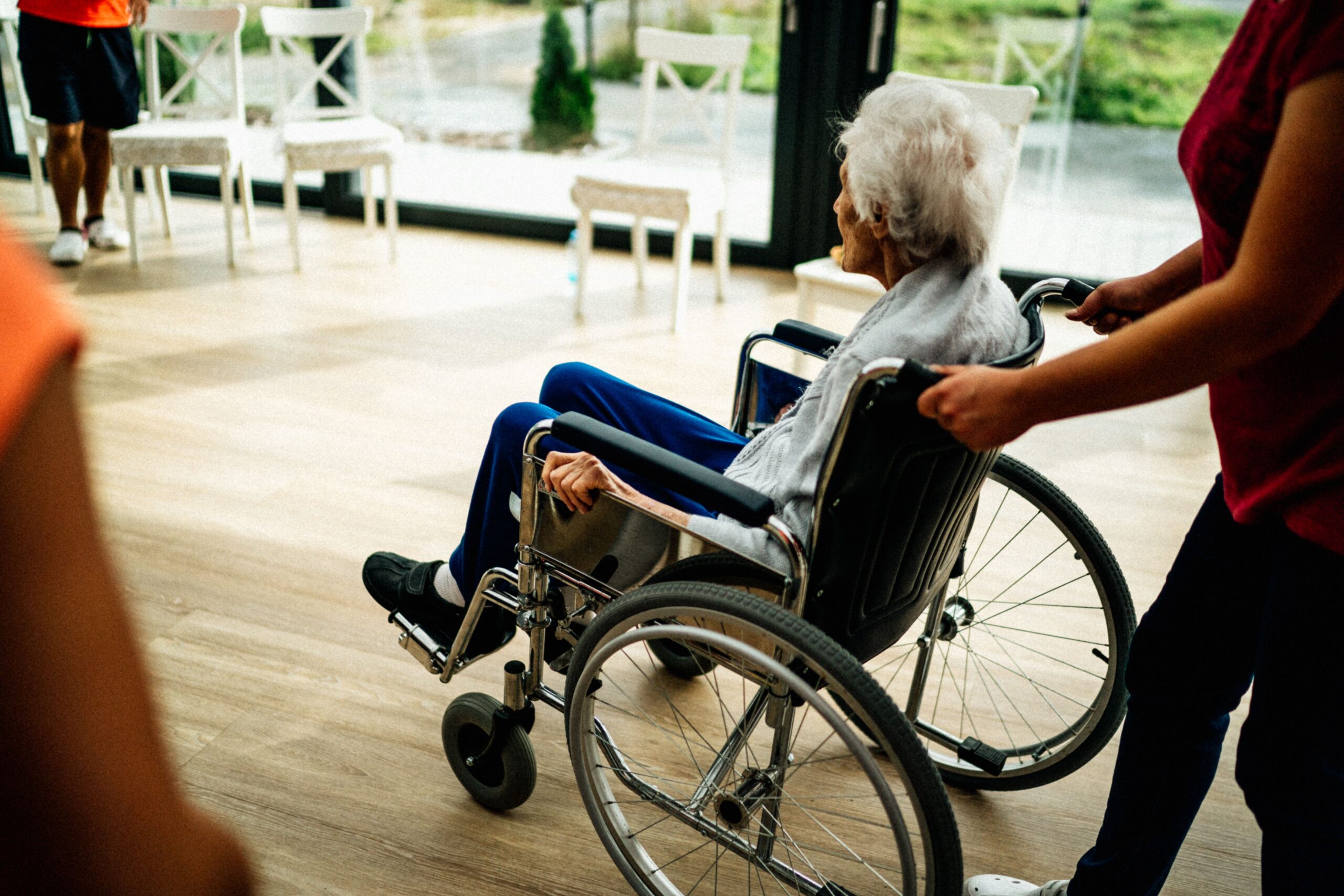

There’s a quiet shift happening across Oklahoma, and no one’s really talking about it. Grandparents are staying in their own homes longer. Parents are stepping up to care for their aging parents. Hospital floors that used to fill up with younger patients are now packed with folks managing three or four chronic conditions at the same time. This is what aging looks like, up close. And that’s exactly why adult gerontology is becoming such a big deal in healthcare education right now.
If you’re already working in nursing or social work, or you’re thinking about jumping in, it’s worth taking a minute to understand what adult gerontology actually covers, and why demand keeps getting higher.
What adult gerontology actually covers
Adult gerontology isn’t just “elder care” in disguise. It’s a specialty that trains providers to treat patients starting in young adulthood, all the way through their later years, with a strong emphasis on the complex, overlapping health issues that crop up as people age. Diabetes with heart disease. Mobility loss with memory changes. There’s a lot going on, and it takes someone trained for these layers to spot things a generalist might never catch.
Oklahoma’s really watching this unfold in real time. The state’s older population is on track to grow by 21.3% by 2034, and for the first time ever, adults 65 and up will outnumber children, according to Oklahoma Human Services. This isn’t some future worry. This is happening right now, within the working years of anyone just starting a healthcare career.
Where an online degree fits in
This is where flexible education programs really matter. Most people considering adult gerontology are already working, usually as licensed nurses or social workers, and can’t drop everything to sit in a classroom for two years.
Spring Arbor University Online is a good example of schools meeting people where they are. The school’s site walks you through nursing and social work programs in plain language, showing course formats, clinical requirements and support resources, all without a mess of jargon. That clarity matters, especially if you’re weighing an adult gerontology degree online or something else. Spring Arbor sets up its courses one at a time in seven-week blocks, with built-in breaks, pairs each student with a dedicated success coach and lets nurses keep working their current jobs while finishing coursework around their shifts. If you want more info or you’re ready to start an application, you can do it right from their site, making that first step way less intimidating.
Why this isn’t just a future problem
It’s already showing up in the stats. A 2025 report found that there are about 835,000 informal caregivers in Oklahoma, providing $6.6 billion in unpaid care every year. This is mostly because the formal healthcare system just doesn’t have enough trained workers to go around, based on Oklahoma’s aging services plan. Family members are stepping into roles that really need specialists.
The gap is national too, and recent events make it feel even more urgent. In October 2025, the Commonwealth Fund dropped its first State Medicare Scorecard, showing glaring differences in how people get specialist care across the country. Rural and lower-income states landed pretty close to the bottom, according to the Association of Health Care Journalists. Around then, two major federal programs supporting the geriatric workforce; the Geriatrics Workforce Enhancement Program and the Geriatric Academic Career Award, expired in September 2025, and advocacy groups are fighting to bring them back. Both moments highlight the same story: The systems built to train and support geriatric-focused providers are getting stretched thin, right when they’re needed most.
There is some good news buried in all that. Geriatric nurse practitioners have been filling the gap left by fewer geriatricians, and their numbers jumped 125% between 2010 and 2020, according to the same reports. Nurses are stepping up. We just need more of them.
What graduates can actually do with it
Finishing a program like this doesn’t just add a line to your resume. Adult-gerontology nurse practitioners can prescribe meds, order and interpret diagnostic tests and build full treatment plans for adults as they age. That’s a meaningful jump in scope of practice, and the pay is real, too. Nurse practitioners nationwide earn a median annual wage way above registered nurses, and demand for the role has stayed strong through 2025 and 2026, even as other healthcare jobs start to cool off.
In Oklahoma specifically, that mix of rising need and a clear path to higher-paying, higher-impact work is tough to ignore. With growing strain on caregivers, expired federal support programs and a specialist shortage making headlines, adult gerontology training has never been a clearer need.